Skip to content
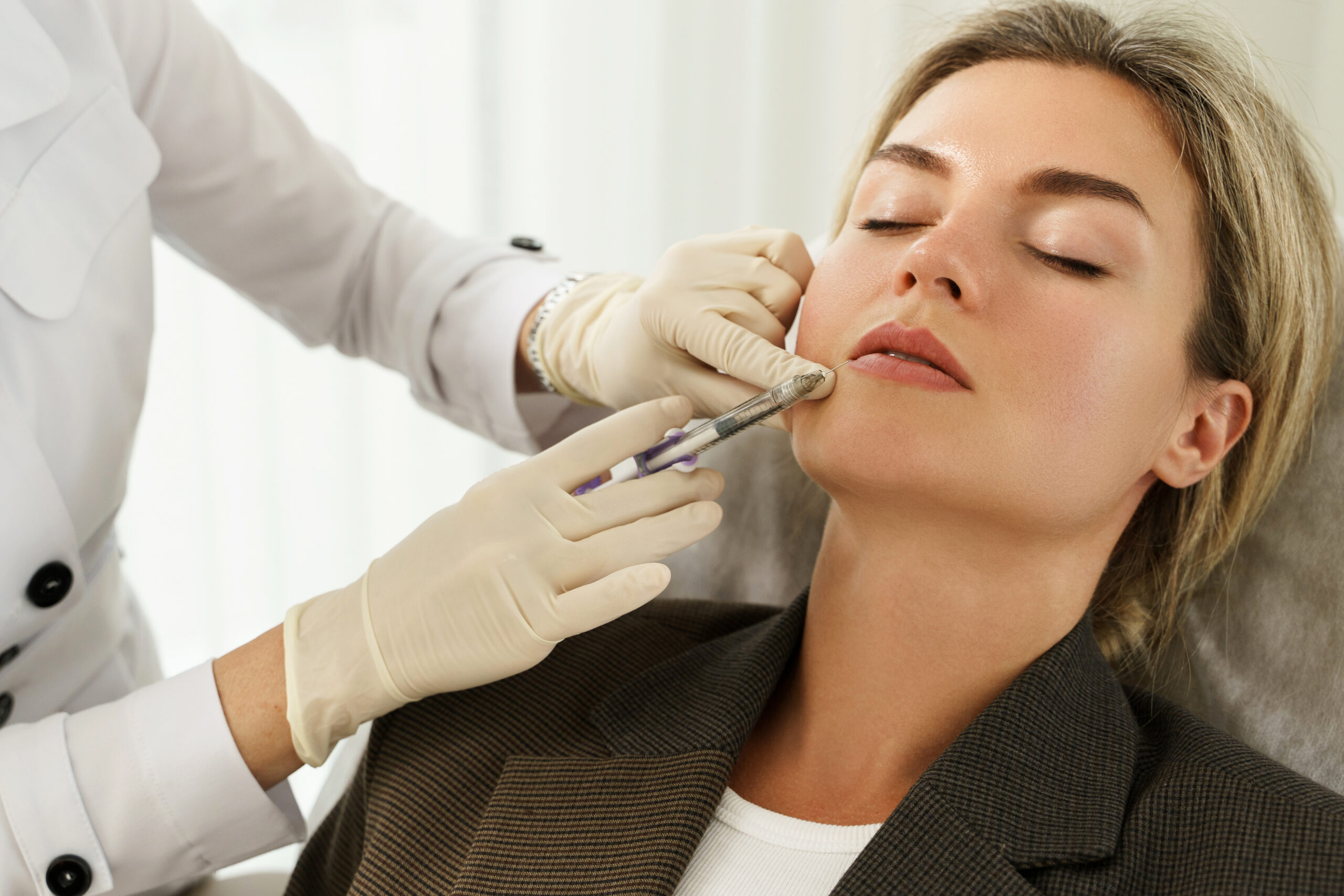
Table of Contents
Dermal fillers offer a refined way to refresh your appearance without surgery, long downtime, or dramatic changes. By restoring lost volume, softening visible lines, and enhancing natural facial balance, this treatment helps you look smoother, more rested, and more confident while still looking like yourself. For patients interested in modern non-surgical beauty treatments, dermal fillers make it possible to achieve subtle, polished results with a personalized approach.
What are dermal fillers used for?
Dermal fillers are used to restore facial volume, soften visible lines, and improve facial balance without surgery.
Why Fillers Became a Practical Beauty Option
Facial aging is not only about wrinkles. Over time, the skin may become thinner, collagen production slows, and natural facial volume can decrease. Some people notice flatter cheeks, deeper smiles, hollow areas under the eyes, or less definition around the jawline and chin.
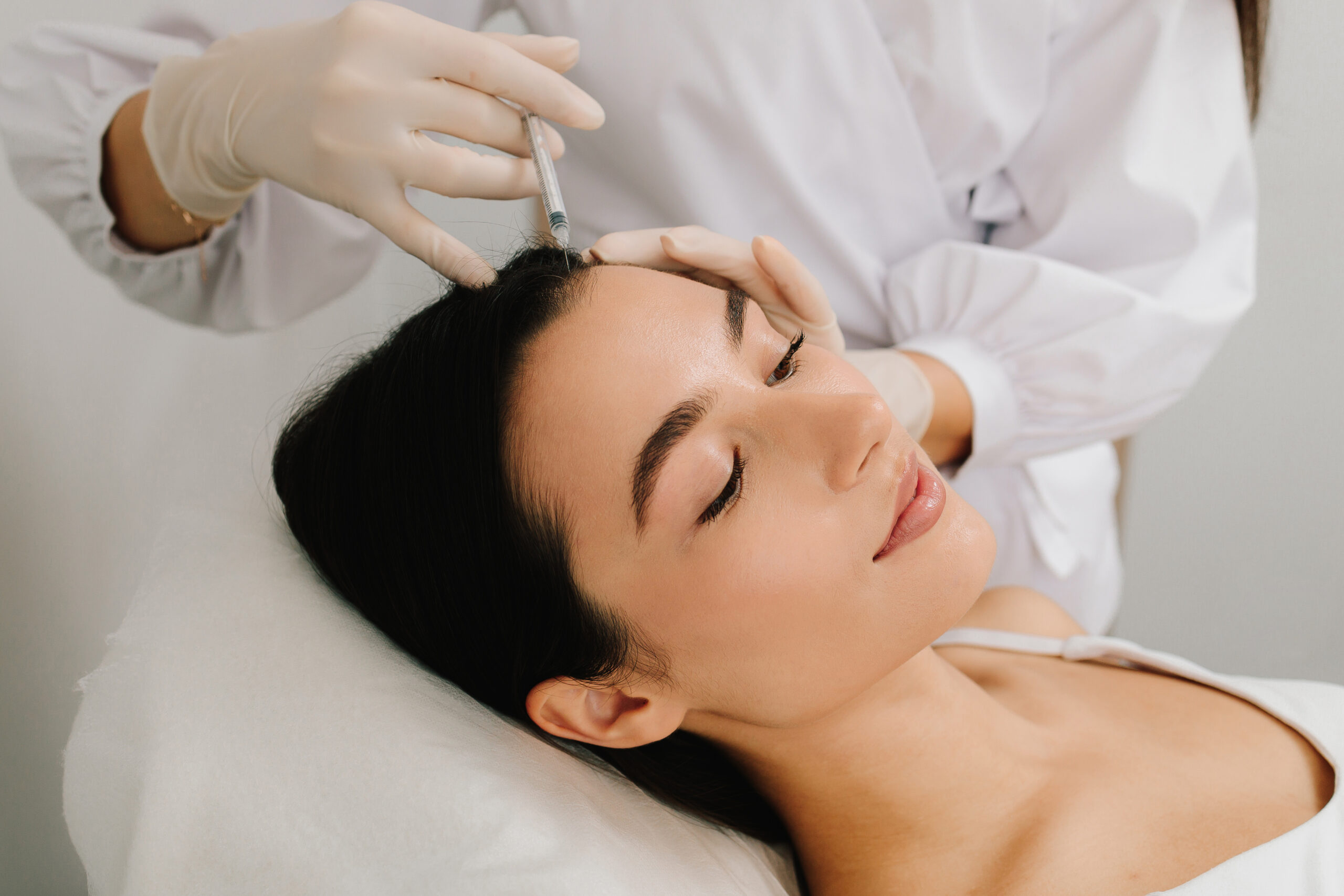
Fillers can help by adding structure beneath the skin. This added support may soften shadows, improve contour, or restore volume in areas that have gradually changed. Instead of tightening the skin through surgery, fillers work by placing product in specific areas where volume or shape is needed.
This makes them appealing to patients who want visible improvement without the planning, recovery time, or permanence often associated with surgery. A filler appointment is typically much shorter than a surgical procedure, and many patients return to regular activities soon after treatment. Mild swelling, tenderness, or bruising can happen, but the downtime is usually limited.
The Rise of Subtle Facial Enhancement
Modern filler treatments are not just about adding volume. The more refined approach focuses on proportion, movement, and facial harmony. A small amount of product in the right place may create a more rested look than a larger amount placed without careful planning.
This is especially important because the face is always moving. Smiling, speaking, laughing, and making everyday expressions all affect how fillers look after treatment. A skilled provider considers these movements before choosing where and how much product to place.
The best results often come from restraint. A patient may benefit from a small correction in the cheeks, a slight improvement in lip shape, or support around deeper folds. These changes can be noticeable without looking obvious.
This is also why consultation matters. A provider should assess the face as a whole instead of treating one concern in isolation. For example, deep smile lines may be related to volume loss in the midface. In that case, adding filler only to the fold may not be the most balanced approach.
How Fillers Support Aging Skin
Many patients ask about anti-aging fillers because they want to look less tired or soften visible changes without surgery. Fillers can be helpful for this purpose, but they should be viewed as one part of an overall aging plan.
Fillers do not stop aging, and they do not replace healthy skin care, sun protection, or other treatments that support skin quality. What they can do is restore lost volume, smooth selected lines, and improve facial structure in a way that skin care alone cannot always achieve.
Common areas treated for age-related changes include the cheeks, nasolabial folds, marionette lines, lips, chin, jawline, and temples. Some patients may also be candidates for under-eye filler, though this area requires careful evaluation because it is not right for everyone.
Aging looks different from person to person, so filler treatment should not follow a fixed pattern. The right plan depends on facial anatomy, skin thickness, degree of volume loss, and the patient’s comfort level with change.
Fillers for Facial Balance, Not Just Wrinkles
The popularity of facial fillers has also grown because patients now understand that injectables can do more than smooth lines. Fillers may help improve the balance between facial features.
For example, chin filler may support the lower face and improve the side profile. Cheek filler may add a gentle lift and shape. Lip filler may restore volume that has decreased over time or refine the lip border. Jawline filler may create a cleaner transition between the face and neck in select patients.
These treatments require a careful eye. Facial balance is not about making every feature more prominent. Sometimes the most effective plan is subtle, using a conservative amount of product to support one area so the whole face looks more proportionate.
What Patients Should Expect
A dermal filler visit usually begins with a consultation. The provider reviews medical history, aesthetic goals, previous treatments, allergies, medications, and any upcoming events or procedures. This step helps reduce risks and sets realistic expectations.
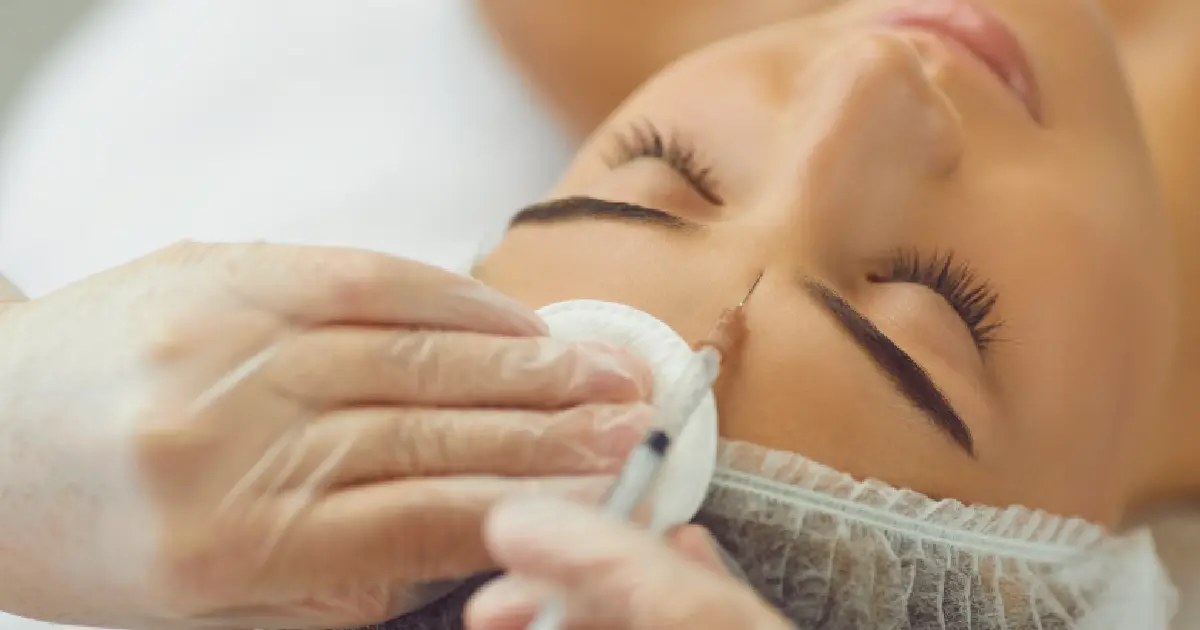
Before treatment, the skin is cleaned, and the provider may mark the injection areas. Some filler products contain lidocaine to improve comfort. A topical numbing option may also be used, depending on the treatment area and patient preference.
The injection process is usually brief, though timing depends on how many areas are treated. Afterward, patients may notice swelling, redness, tenderness, or bruising. These effects are typically temporary. Providers often recommend avoiding heavy exercise, alcohol, excessive heat, and firm pressure on the treated area for a short period.
Results can often be seen soon after treatment, but the final look may take time to settle as swelling improves. Follow-up visits may be recommended, especially for patients who are building results gradually.
Safety and Skill Matter
Fillers are non-surgical, but they are still considered to be medical treatments. As such, these should be performed by qualified professionals who understand facial anatomy, product selection, injection depth, and complication management.
This matters because filler placement affects both appearance and safety. Poor technique can result in unevenness, puffiness, lumps, or outcomes that do not suit the face. Rare but serious complications may even occur, which is why patients should avoid unlicensed injectors or non-medical settings.
Patients should feel comfortable asking about the provider’s training, the type of filler being used, expected results, aftercare, and possible risks. A good provider will welcome these questions and explain the treatment clearly.
Niloura and Professional Dermal Filler Treatments
Niloura offers professional aesthetic treatments, including dermal fillers, for patients who want a non-surgical way to refresh their appearance. The focus is on providing care that respects each patient’s natural features, facial structure, and personal goals.
For those considering dermal fillers in Ontario, CA, Niloura provides a setting where patients can discuss their concerns, learn what fillers can realistically address, and receive guidance on a treatment plan that fits their needs. This is especially helpful for first-time patients who may be unsure about how much filler they need or which areas should be treated.
A professional consultation can also help patients avoid overcorrection. Instead of chasing a trend, the goal is to create a balance that looks appropriate for the person’s face.
Frequently Asked Questions
Why should dermal fillers be done by a qualified provider?
A qualified provider understands facial anatomy, safe injection techniques, and product placement, which helps support natural-looking results and reduce risks.
How long do dermal filler results usually last?
Results vary by product, treatment area, and individual metabolism, but many dermal fillers last several months to over a year.
What areas can facial fillers treat?
Facial fillers can treat areas such as the cheeks, lips, chin, jawline, smile lines, marionette lines, and temples.