Skip to content
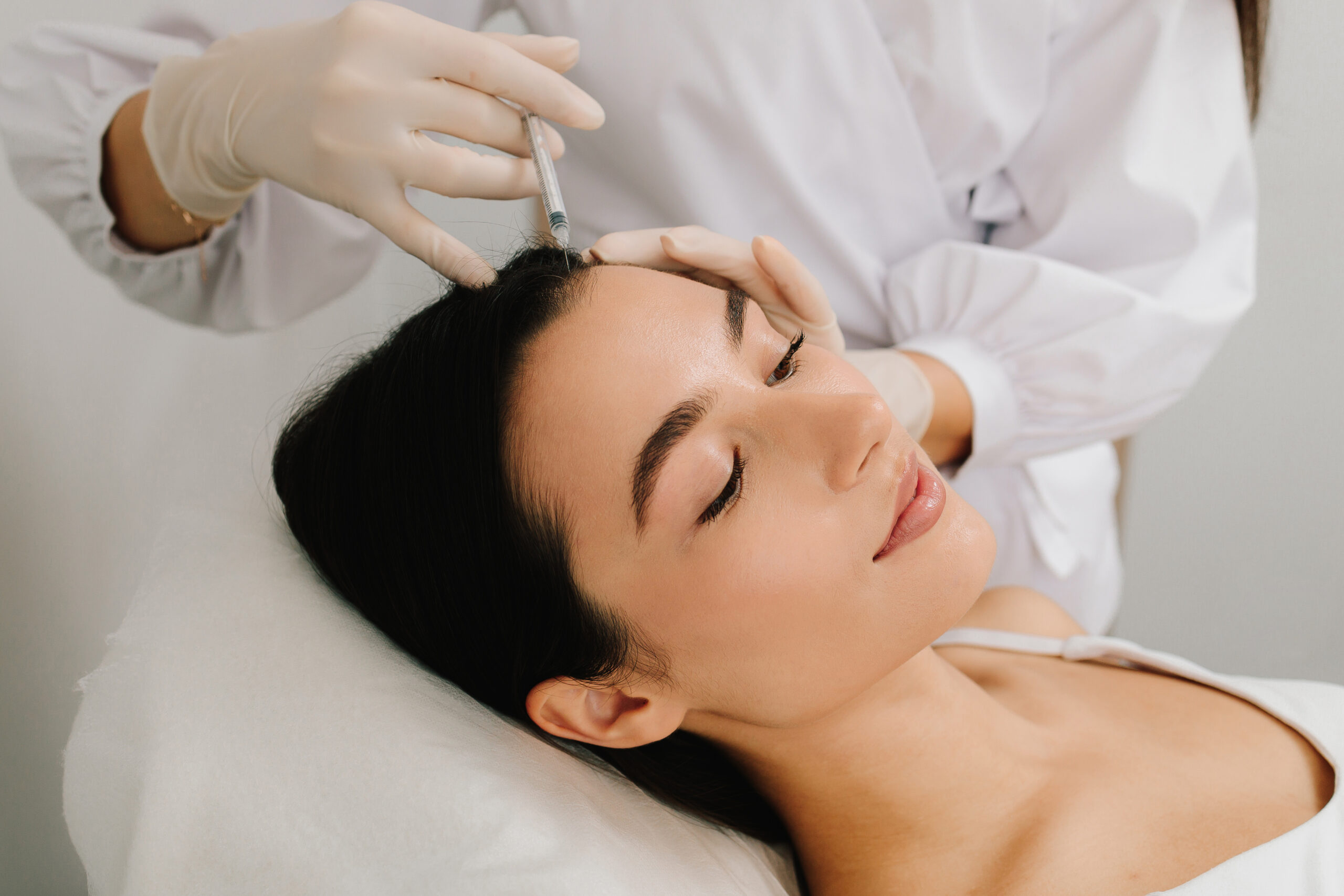
Table of Contents
Skin can start to look a little less refreshed for reasons that are not always obvious. Maybe the texture feels uneven, your glow looks dull, or fine lines seem more noticeable than they used to. For many people, the goal is not to change their face, but to help their skin look healthier again.
PRP therapy fits that kind of goal because it works with your body’s own platelet-rich plasma. At Niloura Wellness & Aesthetics, PRP is used to support natural repair and skin renewal, making it a thoughtful option for patients who want gradual improvement without adding volume or limiting facial movement.
How does PRP therapy help refresh aging skin naturally?
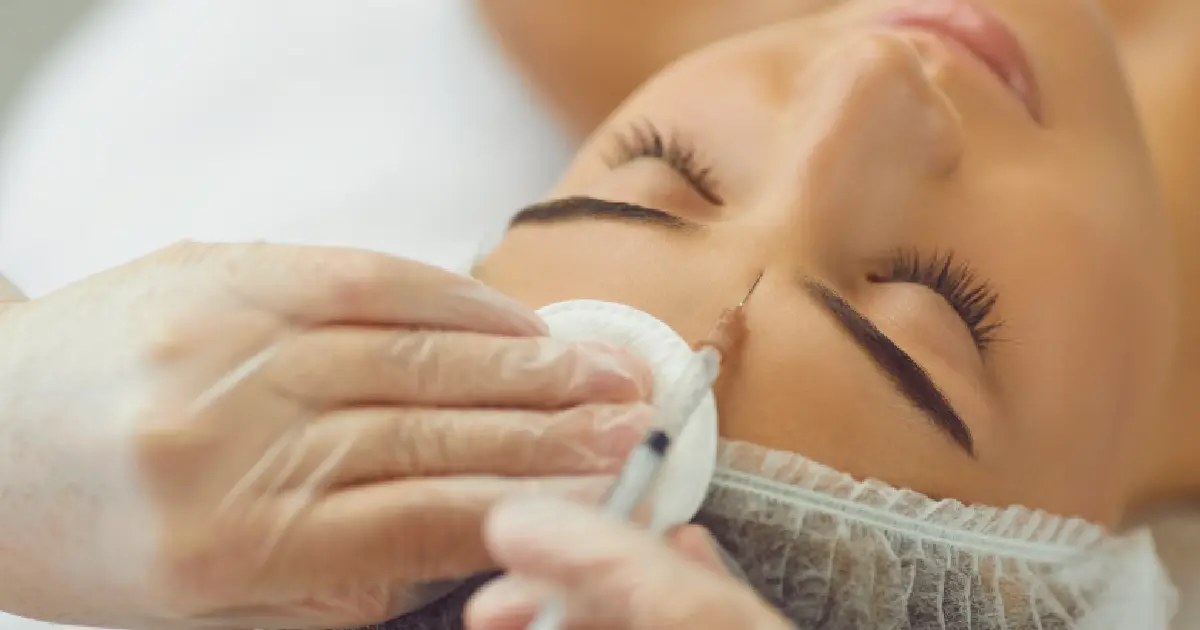
PRP therapy supports natural anti-aging and skin renewal by using platelet-rich plasma from your own blood to encourage the skin’s repair response. This process may help support collagen activity, improve the look of texture and dullness, and promote gradual skin rejuvenation without adding volume or limiting facial movement.
What PRP Therapy Is And Why It Fits Natural Skin Renewal
PRP therapy stands for Platelet-rich plasma therapy. It starts with a small blood draw, then the platelet-rich portion is separated and used to support skin repair. These platelets contain growth factors involved in healing and tissue renewal.
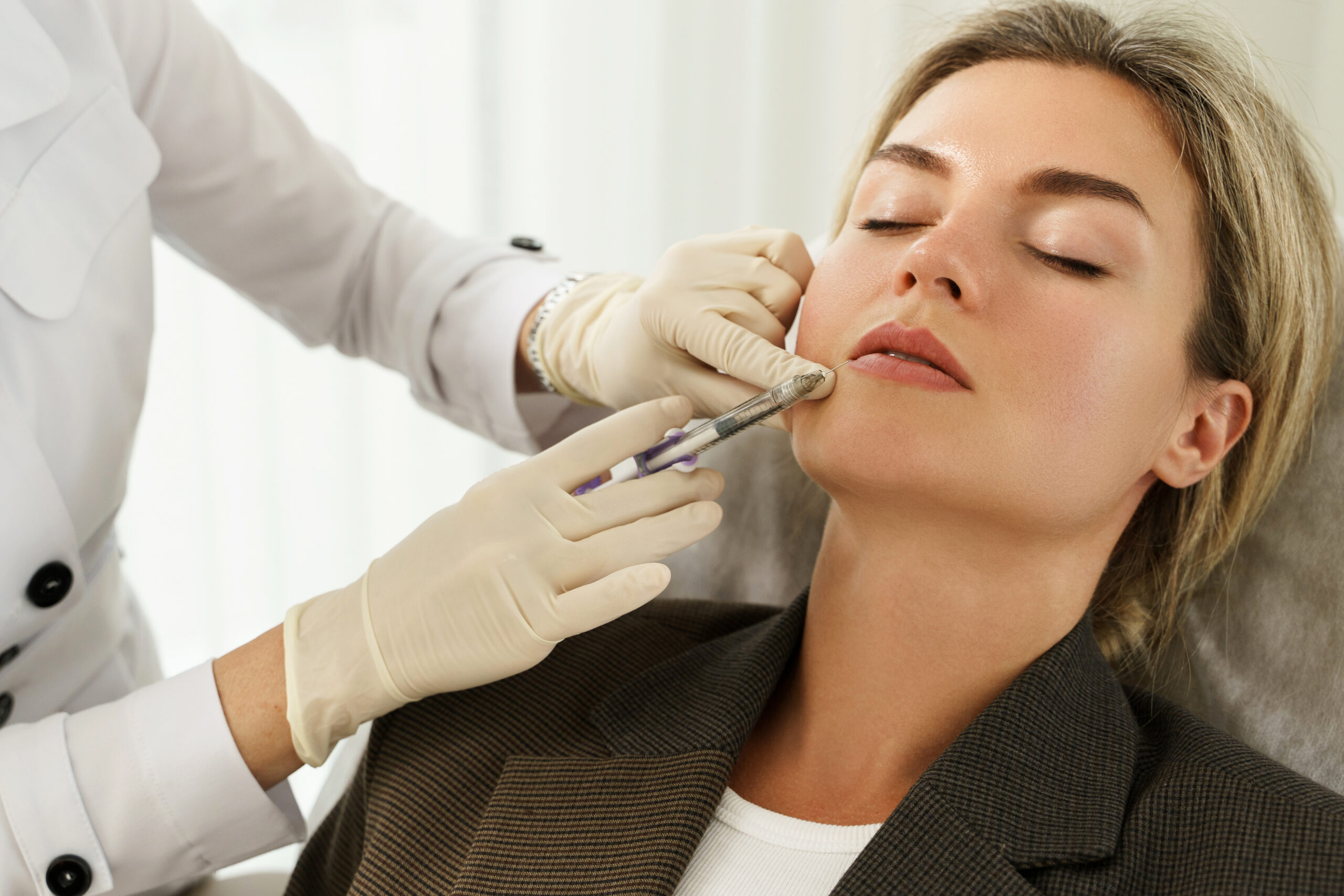
For skin care, PRP may be used as part of a PRP facial treatment or applied in ways that help deliver those growth factors to the skin. Instead of freezing movement or adding volume, PRP supports the skin’s own repair response, which makes it a good fit for patients who want gradual, natural-looking improvement.
How PRP Supports The Skin’s Repair Process
Skin repairs itself every day, but aging, sun exposure, stress, and lifestyle factors can slow that process. PRP helps by introducing concentrated platelets and growth factors to targeted areas, which may support collagen and elastin activity over time.
Because PRP works with the skin’s natural response, results are usually gradual. As a Skin rejuvenation therapy, it may help skin look smoother, fresher, and more even without creating a sudden or overdone change.
Why Collagen Matters For Anti-Aging
Collagen helps keep skin firm, smooth, and resilient. As collagen levels naturally decline, the skin may look thinner, softer, or more textured, and fine lines can become more noticeable.
As an Anti-aging skin treatment, PRP is often used because it may support collagen activity instead of simply covering visible aging concerns. The goal is not to make the skin look different overnight, but to help it look gradually healthier and more refreshed.
Skin Concerns PRP May Help Improve
PRP can be a good fit for several skin concerns related to early aging and skin quality. It is often considered when someone wants improvement without changing their facial features.
Common concerns that may respond well to PRP include:
- Fine lines and early signs of aging
- Dull or tired-looking skin
- Uneven texture or roughness
- Mild acne scarring or areas that need renewal support
A PRP facial treatment may also be appealing for people who feel their skin looks less vibrant than it used to. Sometimes the issue is not one obvious concern, but a combination of smaller changes: less glow, more visible pores, uneven texture, and skin that looks a little worn down.
PRP may help improve the overall look of the skin by supporting repair and rejuvenation. However, the right treatment plan depends on your skin type, your goals, and the condition of your skin at the time of treatment.
What Makes PRP Different From Fillers Or Botox
PRP works differently from fillers or Botox because it focuses on skin quality rather than volume or muscle movement.
Fillers can restore volume, while Botox and similar wrinkle relaxers soften expression lines by limiting muscle activity. Platelet-rich plasma therapy supports the skin’s repair response instead, which may help improve texture, dullness, and early aging concerns over time.
For some patients, PRP may be used on its own. For others, it may fit into a broader treatment plan based on their goals.
What Results From PRP Usually Feel Like Over Time
PRP results usually develop gradually. That can actually be one of the reasons people like it. The change often feels more natural because the skin has time to respond and improve rather than looking noticeably altered all at once.
After treatment, the skin may go through a short period of redness, sensitivity, or mild swelling, depending on how PRP is applied. As the skin settles and begins responding, patients may notice smoother texture, a fresher look, or a more even appearance over time.
Results can vary based on several factors, including:
- Age and skin condition
- Treatment area
- Lifestyle and sun exposure
- Number of sessions recommended
- Overall skin care routine
Some people may benefit from a series of treatments, especially if they are addressing texture, dullness, or acne scarring. Others may use PRP as part of long-term skin maintenance. During a consultation, Niloura Wellness & Aesthetics can help determine whether PRP therapy is appropriate for your skin goals.
Supporting Skin Renewal In A Way That Still Feels Like You
Wanting your skin to look better does not always mean wanting to look dramatically different. For many people, the goal is simpler: smoother texture, a healthier glow, and skin that looks more rested without changing their natural features.
PRP therapy can support that goal by using your own platelet-rich plasma to encourage skin repair, collagen activity, and gradual renewal. If you are curious about a natural-looking Anti-aging skin treatment or want to know whether Skin rejuvenation therapy fits your concerns, Niloura Wellness & Aesthetics can help you choose a plan that feels realistic for your skin. Book Your PRP Consultation Today with us to see if PRP is the right next step for your skin renewal goals.